
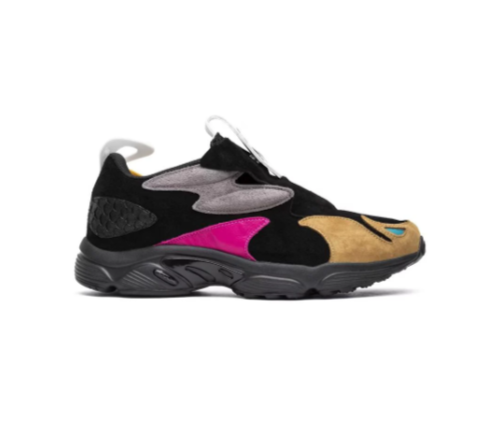
Picture this: the lights go low on a New York runway. Models hit the stage in bold Pyer Moss fits—prints loud, silhouettes sharp, and every step stomping like a protest chant. Then Fear of God slides in with that perfect mix of street grit and high-end polish. What we’re watching isn’t just fashion—it’s culture, politics, hustle, and power stitched into fabric.
That’s the energy of Black-owned fashion. We don’t just design clothes—we design movements. And right now? The world is finally catching up. From streetwear to luxury, Black brands aren’t just trending, they’re redefining what timeless style and cultural dominance look like. The future? Oh, sis, it’s about to be legendary.
Where We Stand Now
Let’s keep it real—Black-owned brands are running things. Ever since 2020 put the spotlight on diversity, the industry has had no choice but to pay attention. Consumers want authenticity. They want brands with roots, with a story, with a purpose bigger than profit. And who does that better than us?
- Pyer Moss (Kerby Jean-Raymond): Fashion as protest, activism stitched into art.
- Fear of God (Jerry Lorenzo): Streetwear turned luxe, grounded in hip-hop and faith.
- Brother Vellies (Aurora James): African craft + eco-friendly luxury, worn by Michelle Obama herself.
These aren’t just brands. They’re proof that Black voices lead culture, not follow it.
The Reality Check: Challenges We’re Still Breaking Down
Being a Black designer in this industry still ain’t easy.
- Funding? Investors stay blind to our brilliance.
- Visibility? The media props up the same three names while hundreds grind in silence.
- Networks? Old money and old boys’ clubs still gatekeep factories, suppliers, and opportunities.
But here’s the Boss Chick truth: we’ve been breaking barriers since day one. When doors close, we build new ones. When they overlook us, we go viral. When money’s short, we stretch it with innovation. Period.
Trends Shaping the Future
Black-owned brands aren’t waiting for permission—we’re shaping the whole industry.
- Sustainability: Brother Vellies using plants and recycled materials. Black designers leading the eco-friendly wave.
- Digital Hustle: Virtual runways, AR try-ons, e-commerce platforms with flavor. Fashion tech, but make it Black and bold.
- Global Fusion: Thebe Magugu weaving South African stories into couture. Proof that our roots are worldwide.
We’re mixing tradition with tech, culture with commerce. That’s not just innovation—it’s domination.
Boss Chick Moves for the Next Era
If we’re talking future, here’s how Black-owned fashion levels all the way up:
- Own the Narrative: Don’t wait for fashion mags to “discover” you. Tell your story loud and direct. Social media is the runway now.
- Build Community Like Family: Telfar proved this—the “Bushwick Birkin” blew up because people felt part of something bigger. Your fans aren’t just customers, they’re your investors, your hype team, your ride-or-dies.
- Go Global, Stay Rooted: Virgil Abloh made Off-White a worldwide empire but never left his culture behind. That’s the blueprint—scale up without watering down.
- Demand Equity, Not Just Exposure: We don’t just want covers and campaigns—we want ownership, funding, factories, and generational wealth. Period.
The Bottom Line: We Are the Future
Black-owned fashion brands are not “emerging”—we’re established, expanding, and eternal. From the runway to the resale shop, from Brooklyn to Paris, our designs are shifting the culture and reshaping the game.
The future is ours because we’ve always been the originators. The tastemakers. The blueprint.
So here’s the move: buy Black, wear Black, and invest Black. Share these brands. Rock their pieces. Tell their stories. Because the future of fashion? It’s already dripping in melanin.