
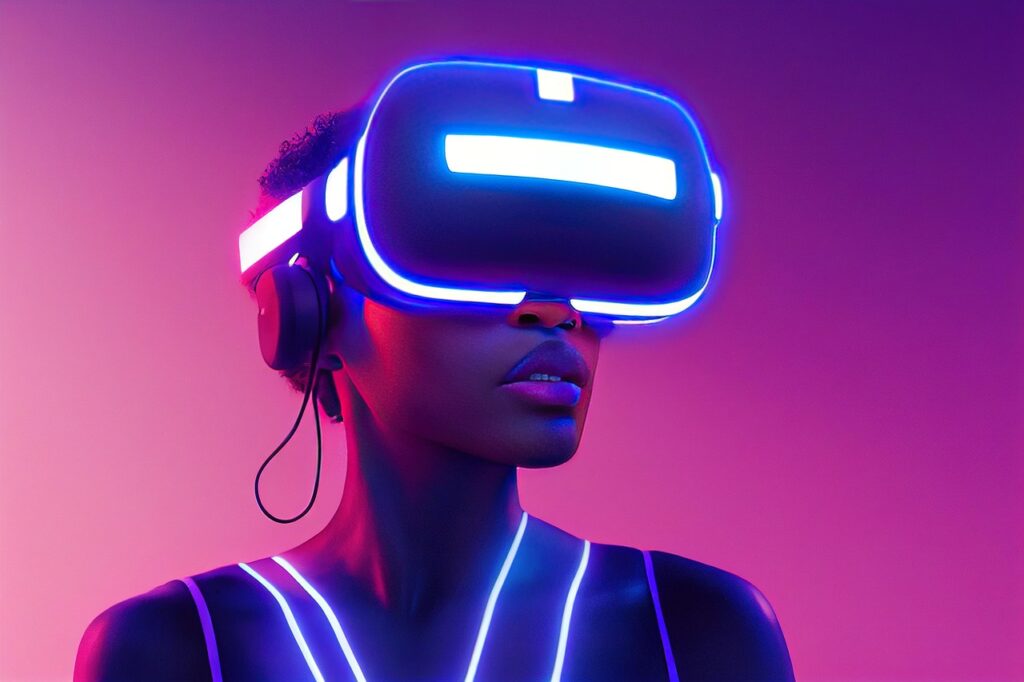
The wealth gap in creative industries is real—and it hits Black artists the hardest. A 2022 McKinsey report showed Black workers in arts and entertainment earn about 40% less than their white peers. At the same time, AI is transforming the creative economy, with over 50% of creators now using AI tools daily. For Black creatives, this is more than a trend. It’s an opportunity to flip the script—using technology to cut costs, scale art, and build generational wealth without waiting for gatekeepers to open doors.
AI is no longer a buzzword—it’s a toolbox. And if we embrace it, we can design new revenue streams, expand our reach, and own more of what we create.
The AI Revolution in Creative Industries
AI changes how creatives work, from sketches to sounds. It speeds up tasks that once took weeks. For Black artists, this means less gatekeeping and more control over your craft.
Independent musicians, designers, filmmakers, and storytellers are now producing professional-quality work faster and at lower costs. What used to require full teams, expensive studios, or gatekeeper approval can now be achieved with just a laptop and the right tools.
Understanding AI Tools for Creatives
AI tools can do everything from generating visuals to writing lyrics:
- DALL-E & Stable Diffusion: Create images from text prompts.
- ChatGPT: Drafts lyrics, scripts, or ad copy.
- MidJourney: Generates bold, artistic visuals.
- Google Bard: Brainstorms and refines story concepts.
- Canva’s AI Editor: Quick, mobile-friendly designs that require no training.
Generative AI models pull from massive data sets, giving Black creatives the power to reimagine styles, remix culture, and test concepts quickly without major financial risk.
Tip: Start with free versions or trials. Experiment with visuals inspired by hip-hop, Afrofuturism, or African design traditions to see what resonates.
Game-Changer Tools for Black Businesses
Beyond the popular platforms, several new tools are transforming the way Black-owned businesses can run:
- Microsoft Copilot: Streamlines business operations—drafting pitches, analyzing sales data, and writing proposals directly inside apps like Word and Excel. This reduces administrative stress so entrepreneurs can focus on strategy and growth.
- HeyGen: Generates high-quality video avatars that speak multiple languages. Imagine a Black-owned beauty brand creating campaigns in English, French, and Yoruba without hiring a full production team. That’s global reach without global costs.
- Gamma: Produces sleek, interactive presentations and documents in minutes. Perfect for Black consultants, educators, or founders pitching investors who expect polished decks but don’t always provide the same resources.
- Make (formerly Integromat): Automates workflows across apps. For example, a Black-owned clothing line could connect their e-commerce store, email marketing, and social media accounts to run seamlessly while they focus on design.
These tools aren’t just time-savers—they’re multipliers. They help close gaps in funding and staffing by giving small businesses enterprise-level capabilities.
AI’s Impact on Black-Led Creative Economies
AI makes it easier to bypass traditional gatekeepers like labels, galleries, or ad agencies. Independent Black artists can now connect directly with audiences, build communities, and sell their work without middlemen.
- Hip-hop producers use AI to generate beats and master tracks.
- Digital art collectives like Black Pixels merge AI with street art for global visibility.
- Social networks like Black Tech Twitter or AI Discords provide spaces to share tips, collaborate, and secure new gigs.
A 2023 Harvard study found underrepresented creators earned 25% more when leveraging tech tools. The takeaway? AI isn’t just about creativity—it’s about ownership, visibility, and profit.
Overcoming Common Barriers with AI
Black creatives often face two major barriers: lack of funding and lack of training. AI provides accessible, affordable solutions:
- Free or low-cost apps (like Canva or BandLab) allow creators to design, edit, or produce high-quality work directly from their phones.
- Tutorials, communities, and free training platforms help build skills step by step.
- Automation cuts time on repetitive tasks, leaving room for higher-value creative work.
The result: more self-reliance, more efficiency, and faster paths to wealth.
Leveraging AI in Music and Audio Production
Black music has always led the culture—AI just provides new tools to amplify it.
- Songwriting & Beats: Tools like AIVA or BandLab create melodies and lyrics you can customize.
- Production: LANDR masters tracks in hours, cutting costs on engineers.
- Collaboration: AI translation apps and virtual studio tools allow global partnerships (imagine a fusion project between Atlanta and Lagos).
Monetization opportunities:
- License AI-assisted beats on platforms like Airbit or BeatStars.
- Upload tracks to Spotify or SoundCloud with AI-optimized tags.
- Build an audience by filming your process for TikTok, then monetize with merch, sponsorships, or NFTs.
AI in Visual Arts and Fashion
Visual storytelling has always been a cornerstone of Black creativity. AI helps scale it.
- Art Generation: Tools like Stable Diffusion let you create Afrofuturist landscapes, then refine them with your unique style.
- Fashion Design: Adobe Sensei offers virtual try-ons, while AI-generated patterns bring African-inspired prints to new markets.
- E-commerce: Platforms like Depop or Etsy can host AI-assisted designs, while Gamma can turn them into stunning lookbooks for buyers.
NFTs also allow digital art and fashion drops that keep royalties flowing back to creators long after the first sale.
Building Sustainable Wealth Through AI Entrepreneurship
AI isn’t just for art—it’s for building full businesses.
- Content Services: Use Jasper or ChatGPT to provide AI-assisted marketing services to other Black-owned businesses.
- Custom Apps: No-code platforms like Bubble or Make allow anyone to build digital products.
- Analytics: Use Google Analytics and AI forecasting to identify what content or products resonate most.
With platforms like Upwork, Fiverr, and Teachable, Black entrepreneurs can diversify income streams by offering services, teaching courses, or launching digital products—all powered by AI.
Navigating Ethical and Cultural Considerations
AI carries risks of bias, especially against Black faces, bodies, and stories. Responsible use requires vigilance:
- Cultural Authenticity: Craft prompts that highlight Black narratives (“Harlem Renaissance celebration” vs. vague “party scene”).
- Bias Awareness: Follow leaders like Joy Buolamwini’s Algorithmic Justice League, which audits and challenges biased AI systems.
- Ownership: Protect intellectual property by understanding platform terms and securing your rights before monetizing outputs.
Authenticity is your greatest asset. Test outputs with community, refine them, and ensure they represent the culture with integrity.
Conclusion: Building Black Wealth in the AI Era
For too long, Black creatives have been underpaid in industries built on our culture. AI offers a rare chance to flip that reality—scaling art, cutting costs, and opening direct-to-fan revenue streams.
By leveraging tools like ChatGPT, Copilot, HeyGen, Gamma, Make, MidJourney, Canva, and more, we can bypass barriers, expand globally, and own our legacies.
This is more than technology—it’s strategy. The question isn’t if AI will reshape the creative economy. The question is: will Black creatives lead that transformation?
The answer should be yes. Not just for today’s paycheck, but for tomorrow’s empire.