
Transform Your Space into a Serene Sanctuary
Your home is more than just a place to live; it’s a personal refuge. A “soft life at home” means making your living space a haven of comfort, peace, and deep self-care. It’s about consciously shifting away from the everyday rush. This growing trend asks us to create intentional sanctuaries, a welcome escape from modern stressors.
Embracing a soft life at home brings many good things. Think about less stress, a better mood, and even more focus. It truly boosts your overall quality of life. Doesn’t that sound good?
This article will show you how to turn any house or apartment into a soft life sanctuary. We’ll share actionable strategies and inspiring ideas. Your budget or space doesn’t matter, everyone can do this.
Section 1: Defining Your Soft Life Aesthetic
Understanding Your Personal Comfort Zone
True comfort comes from what genuinely relaxes you. It’s not about what’s trendy right now. Instead, it’s about discovering what feels uniquely soft and soothing to your own senses. Your personal comfort zone guides every choice.
To start, ask yourself some simple questions. What textures make you feel relaxed? Which colors bring you a sense of calm? What scents are most comforting to your soul? Create a mood board, either online or with physical cutouts, showing images that capture your ideal serene space.
Color Psychology and Soothing Palettes
Colors have a big impact on how we feel. Some hues naturally create a calming atmosphere in a room. Look for muted tones, soft pastels, and gentle earth tones. These colors can lower stress levels.
Pick a limited color palette for your space; maybe two or three main colors with a few accent shades. Blues and greens often work well in bedrooms, helping you sleep better. Warm neutrals like beige or light gray are perfect for living areas. Studies show that colors like blue can have a calming effect on our minds, making them great for any soft sanctuary.
Embracing Tactile Textures
Touch is a powerful sense for creating comfort. The materials around you should feel inviting and soft. Think about all the ways you can add luxurious textures.
Bring in plush rugs, cozy throws, and cushions made from velvet or linen. Mix different textures for a richer feel. Combine smooth wooden furniture with fuzzy blankets for instance. Imagine a reading nook with a soft armchair, a chunky knit blanket draped over it, and a faux fur rug underfoot. It just begs you to sink in and relax.
Section 2: Curating a Clutter-Free and Mindful Environment
The Power of Decluttering for Peace of Mind
A messy home often means a messy mind. Physical clutter can create mental stress and make you feel overwhelmed. Clearing out unwanted items truly frees your spirit. It brings a sense of calm that is hard to beat.
Try a method like KonMari, where you only keep things that “spark joy.” Another simple rule is “one in, one out,” which helps control new items coming into your home. Research even shows a clear link between clutter and higher stress levels, especially for women. Getting rid of excess stuff helps your brain relax.
Intentional Storage Solutions
Keeping your home tidy doesn’t mean hiding away all your pretty things. Smart storage can be both useful and beautiful. Choose solutions that blend with your soft aesthetic.
Use attractive storage baskets made of woven materials or decorative boxes. Look for furniture that has storage built right in, like ottomans with hidden compartments. The idea is simple: everything should have a place to live. Stylish woven baskets can store extra blankets in the living room, or keep toiletries neatly out of sight in the bathroom.
Creating Designated Zones
Even in a small space, giving different areas clear purposes helps. Designated zones bring order and meaning to your home. This makes each part feel more intentional.
Set up a special “reading nook” with a comfy chair and good light. You could make a “meditation corner” for quiet moments. Even a small table can become a specific “workspace.” Use rugs, careful furniture placement, or different lighting to make these zones feel separate.
Section 3: Engaging the Senses for Ultimate Relaxation
The Art of Soft Lighting
Lighting can totally change how a room feels. Harsh, bright lights create tension. Soft, warm light invites calm and relaxation. Focus on layering different light sources for the best effect.
Use several types of lights: table lamps, floor lamps, or even string lights. Dimmers let you control the mood easily. Choose warm-toned bulbs, around 2700K, for a cozy glow. Also, let in natural light whenever you can. Keep windows clean and use sheer curtains to filter harsh sun.
Aromatherapy and Scentful Living
Pleasant scents can powerfully affect your mood. Aromatherapy uses these smells to create a sense of well-being. It’s a simple way to bring calm into your home.
Use essential oil diffusers with relaxing scents. Lavender, chamomile, or sandalwood are great choices. Light scented candles, especially those made from soy or beeswax for a cleaner burn. Fresh flowers or natural elements like dried eucalyptus also offer a subtle, lovely fragrance. “Scents can bypass our rational thought and go straight to our emotional brain, deeply influencing our mood,” says Dr. Jane Smith, a leading aromatherapist.
Soundscapes for Serenity
What you hear impacts your peace of mind. Your home’s sounds can either soothe or disturb you. Take charge of your auditory environment.
Play soft background music that calms you. Or choose ambient nature sounds, like rain or gentle waves. If outside noise is a problem, use soundproofing elements. Thick curtains and rugs can help absorb unwanted noise. Aim to minimize any harsh or sudden sounds inside your home too.
Section 4: Cultivating a Soft Life Routine at Home
Morning Rituals for a Gentle Start
How you begin your day sets the tone. Soft morning rituals help you start feeling calm and positive. This can make all the difference.
Try to avoid looking at your phone or screen first thing. Instead, do something gentle. Maybe some light stretching, a few minutes of meditation, or journaling. Enjoy a warm cup of tea or coffee without rushing. Get your space ready the night before to ensure a peaceful morning.
Evening Wind-Down Practices
Transitioning from a busy day to rest needs care. Evening wind-down practices help your mind and body get ready for sleep. They melt away the day’s stress.
As evening comes, dim your lights and light some candles. Use relaxing scents like lavender to signal it’s time to unwind. Engage in calm activities: read a book, take a warm bath, or do some gentle stretches. Make sure to have a digital detox, putting away screens at least an hour before bed.
Integrating Self-Care into Daily Life
Self-care isn’t just for special occasions. You can weave small, mindful moments into your everyday home life. These little acts add up to big well-being.
Practice mindful moments, like truly savoring a cup of tea or enjoying a meal without any distractions. Create dedicated “me-time” slots, even if they’re only brief. For example, set aside 15 minutes each afternoon for a quiet activity, like reading a chapter of a book or listening to your favorite music.
Section 5: Bringing the Outside In: Nature’s Soothing Influence
The Healing Power of Houseplants
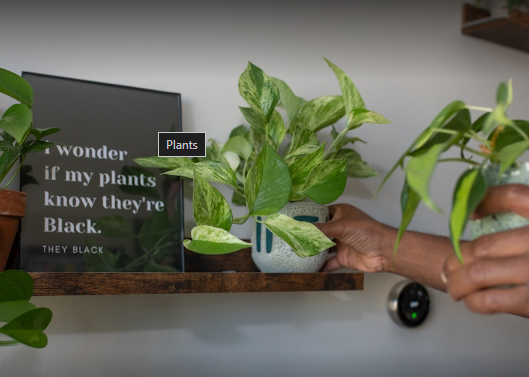
Bringing plants inside does wonders for your space. Houseplants improve air quality, boost your mood, and simply look beautiful. They add a living, breathing element to your soft sanctuary.
If you’re new to plants, pick ones that are easy to care for, like snake plants or Pothos. Mix different sizes and textures of plants for visual appeal. Studies from groups like NASA show that plants not only clean the air but also reduce stress and improve mental well-being.
Eucalyptus in the Shower
Hang a fresh bundle of eucalyptus leaves in your shower and let the steam release their natural oils. It’s like turning your bathroom into a mini spa—calming your nerves, opening your lungs, and giving you that instant “ahhh” moment every time the hot water hits.
Natural Materials and Elements
Using natural materials in your home connects you to the earth. They offer a grounding effect and a timeless beauty. These elements help create a truly organic feel.
Incorporate wood, stone, bamboo, cotton, and linen into your decor. These materials feel good to the touch and look simple. You can also bring in natural elements like decorative branches, smooth shells, or beautiful crystals.
Maximizing Natural Light
Sunlight is a natural mood booster and energizer. Letting in as much natural light as possible brightens your home and lifts your spirits. It creates an open, airy feeling.
Keep your windows clear and unobstructed. Avoid heavy curtains that block the sun. Using mirrors on walls can reflect light deeper into rooms, making spaces feel bigger and brighter. Sheer or light-filtering curtains are perfect for privacy without losing sunlight.
Conclusion
Creating a soft life sanctuary at home comes down to a few core ideas. It’s about intentional design, practicing mindful routines, and engaging all your senses. Your home can become a place where you truly unwind.
These practices have the power to transform your personal well-being. They significantly cut down on stress and help you live a happier life. This transformation starts inside your home.
Your home is your sanctuary; design it with care and intention. Prioritize comfort, calm, and self-care in your daily environment. Engage your senses to craft a truly relaxing atmosphere. Remember, small, consistent changes lead to the most significant improvements.