
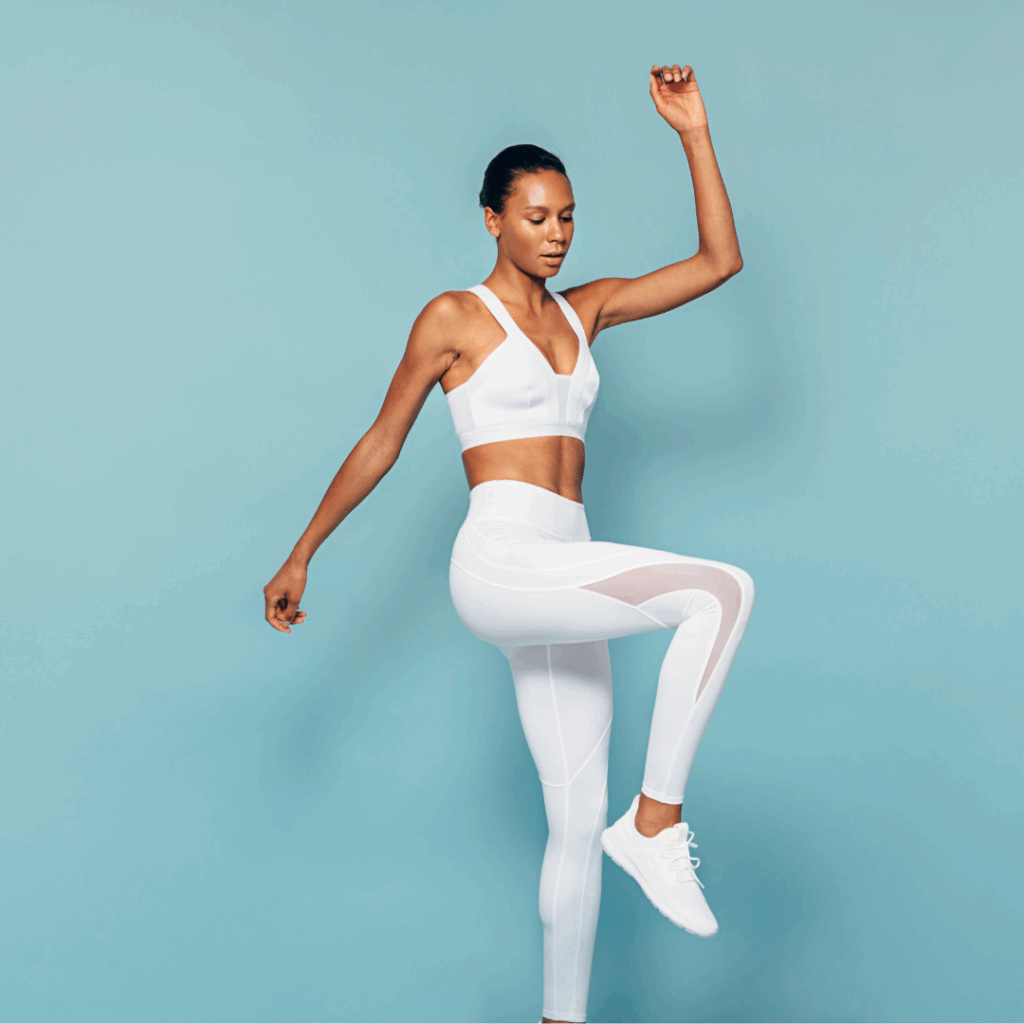
Many of us feel tired, stressed, or sore. Our modern lives often keep us sitting too much. This can lead to lasting pain and worry. But movement is a simple answer. It can heal our bodies and minds. Think of it as medicine, easy to find and use every day.
Dance, yoga, and flow offer special ways to move. Each one helps us feel better. They’re like different tools for health, distinct yet connected. These actions help more than just our muscles. They also boost our mood and calm our thoughts. We’ll explore these powerful practices and their deep impact.
The Power of Embodied Movement: More Than Just Exercise
Reclaiming Our Natural State of Motion
Our bodies love to move in many ways. We’re built to bend, stretch, and twirl with ease. Sadly, daily life often limits our movement, keeping us stiff. Sitting at desks or doing the same tasks stops natural motion. Think about our ancestors; they moved all the time. Our bodies still expect that. This constant, varied movement is key to feeling good and staying healthy, just like it did long ago.
The Mind-Body Connection: Breaking Down the Divide
Moving your body changes your brain. It sends good signals and balances hormones throughout your system. This link between mind and body is incredibly strong. When you move, you notice your body more. This is called interoception. It helps you understand what you need to heal and thrive. Too much stress raises cortisol, but movement helps bring these levels down, offering a natural way to chill out.
Beyond Calorie Burning: The Holistic Benefits of Movement
Movement isn’t just about losing weight or burning calories. It does so much more for us. It’s a full-body health fix that works on many levels. Good movement helps blood flow better. It cleans your system through lymphatic drainage, sweeping away waste. Cells even get renewed faster when you move regularly. It also gives your immune system a boost. This helps you fight off sickness. Move like medicine for overall wellness.
Dance: Expressive Movement for Emotional and Physical Release
Dancing Through Emotions: A Cathartic Outlet
Dance lets feelings out. You can stomp out anger, sway away sadness, or jump with joy. It’s a powerful way to express yourself without words. People use dance to heal from hard times. Trauma survivors find comfort in moving their bodies freely. It also helps those feeling down or dealing with depression. “Movement helps us process feelings we can’t put into words,” says a dance therapist. It’s a language everyone understands.
The Joyful Workout: Cardiovascular and Musculoskeletal Gains
Dancing is fun and great for your heart. Your ticker gets stronger with every beat and step. You also build muscle and get more flexible, boosting your coordination. Ballet improves your posture, making you stand taller and move gracefully. Hip-hop boosts quickness and agility. Each style offers unique physical perks. Just 30 minutes of moderate dance can boost heart health by 15%. It’s a fun way to get fit.
Finding Your Rhythm: Dance as a Social Connector
Dancing with others builds friendships. It lessens loneliness and makes you feel part of a community. You feel connected to something bigger. When you dance together, you communicate without words. This bond feels good and strong. It’s a special way to relate to people around you. Look for dance classes at your local community center. Many places offer free outdoor dance events too. Just show up and move your body.
Yoga: Cultivating Stillness, Strength, and Self-Awareness
The Breath as an Anchor: Pranayama for Stress Reduction
How you breathe changes how you feel. Special breathing, called pranayama, calms your nervous system. This is backed by science. Ujjayi breath soothes you, making a gentle ocean-like sound. Alternate Nostril Breathing brings your mind into balance, reducing racing thoughts. Try these techniques for more inner peace. Take a few deep breaths before a big task. Even five minutes of slow breathing can change your day. Make it a daily habit.
Asana for Resilience: Building a Strong and Flexible Body
Yoga poses, or asanas, make you stronger and more balanced. They help you stretch and improve your posture. Your spine and joints will thank you. Yoga can ease long-term pain. Many find relief from lower backaches or stiff joints. It makes daily life easier by improving how your body moves. Studies show yoga reduces lower back pain by over 30%. It’s a gentle yet powerful way to mend.
Cultivating Mindfulness on the Mat: Inner Peace Through Practice
Yoga teaches you to be in the moment. It stops your mind from racing with worries about the past or future. You learn to just be present. This mindful attention, called “sati” in yoga, helps everywhere. You become more aware of everything around you. It’s about living fully and seeing clearly. Notice your breath while washing dishes. Pay attention to sounds on your walk. You can practice mindfulness anywhere, not just on your yoga mat.
Flow States: Effortless Action and Deep Engagement
The Psychology of Flow: Optimal Experience and Peak Performance
Flow is when you’re totally absorbed in something you love. Time seems to disappear. You lose track of yourself, just doing the task. This intense focus takes your mind off worries and stress. It’s like a mental break from daily pressures. Stress and anxiety fade away as you engage. Flow also makes you more creative. It helps you solve problems better. Your brain just clicks into high gear.
Flow in Motion: Examples Beyond the Studio
Many actions can lead to flow. Think of martial arts, climbing rocks, or swimming laps in a pool. Even mindful gardening or intricate craftwork can do it. The key is a task that’s challenging but doable for your skill level. It keeps your mind engaged and focused. You feel alive and fully present. Athletes often talk about being “in the zone.” Artists describe losing themselves in their work. This is flow, pure and simple, and it’s a powerful state for healing.
Cultivating Flow: Finding Your Zone of Engagement
Want to find your flow? Pick activities you enjoy and feel good doing. Make sure they have clear goals and give you quick feedback on your progress. Find things that push you a little, but not too much. It’s a sweet spot between boredom and frustration, where you feel challenged. Try different things, don’t be afraid to experiment. Everyone’s flow path is unique. Listen to what pulls you in and makes you lose track of time.
Integrating Movement into a Healing Lifestyle
Small Steps, Big Impact: Making Movement Accessible
Busy? Take short movement breaks during your day. Dance during commercials or while cooking dinner. Walk instead of driving short distances. Doing a little bit every day works wonders. It’s better than big, rare workouts. Just keep moving, even a little bit. Lack of time or motivation can stop us. Start super small. Maybe just a 5-minute stretch in the morning. Your body will thank you.
Listening to Your Body: Intuitive Movement and Self-Care
Your body talks to you all the time. Pay attention to what it needs. Choose movements that feel nourishing and good, not forced. There’s a big difference between healthy effort and actual pain. Don’t push through real hurt or discomfort. Be kind to yourself. Rest days are just as important as active days. Your muscles need time to heal and grow stronger. Self-care includes slowing down and recovering.
Building a Movement Menu: Diversity for Optimal Health
Try a mix of dance, yoga, and flow activities. This gives your body a full range of benefits. It also keeps things fresh and interesting, preventing boredom. Explore different styles and types of movement. What feels good today might change tomorrow. Your body craves variety for optimal health. Mixing these movements works better than sticking to just one. It’s like a balanced diet for your physical self. Find your perfect blend.
Conclusion
Dance frees our feelings, giving powerful emotional release. Yoga builds inner calm, strength, and sharp self-awareness. Flow activities bring deep focus and pure joy. These actions prove movement is truly medicine. They heal us in ways traditional exercise often misses, touching body, mind, and spirit.
Your journey to healing starts with a single step. These powerful practices are open to everyone, no matter your age or skill level. Find your rhythm, embrace your breath, and get lost in the moment. Start moving today to transform your health and live a fuller, more vibrant life.